Joe Orton's books
28 April 1962

Joe Orton got his big break, but not in the way he expected. He and his partner, Kenneth Halliwell, had for some time been sneaking books out of Islington Library, defacing them, putting them back, and then watching other people take them off the shelves so they could monitor their shocked reactions. On this day 64 years ago, their flat was raided. They got six months inside, but Orton later said it was the making of him as a writer.
Our story starts in the late 1950s, when the two men – together since meeting at RADA in 1951 – bought a bedsit in a now posh road in Islington. Apparently unimpressed by the range of books on offer at their local library, they decided to... embellish them.
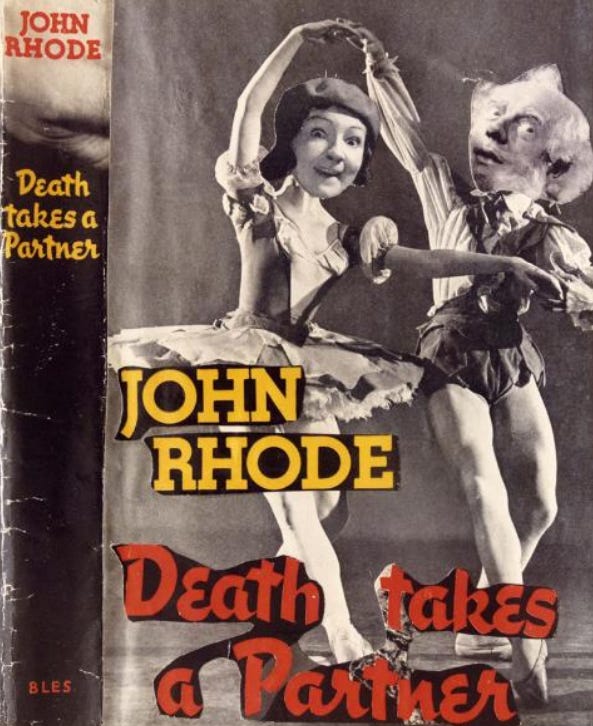
There are many examples of this undeniable, if disapproved of, creativity – and Friends of Islington Museum have collected them in a PDF.
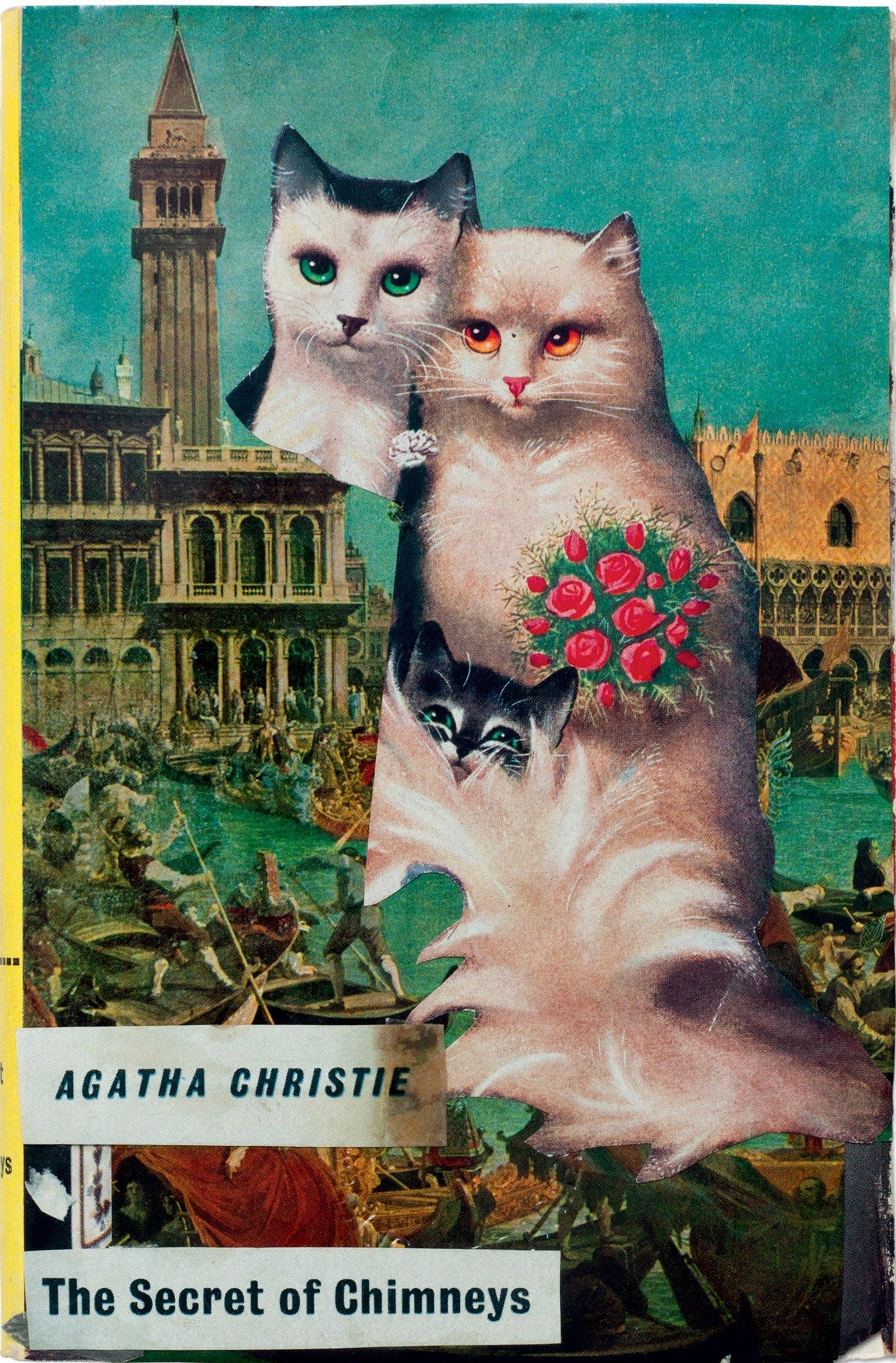
The most famous example is probably the kitsch cats, but there was also The Collected Plays of Emlyn Williams which purported to contain works called… well:
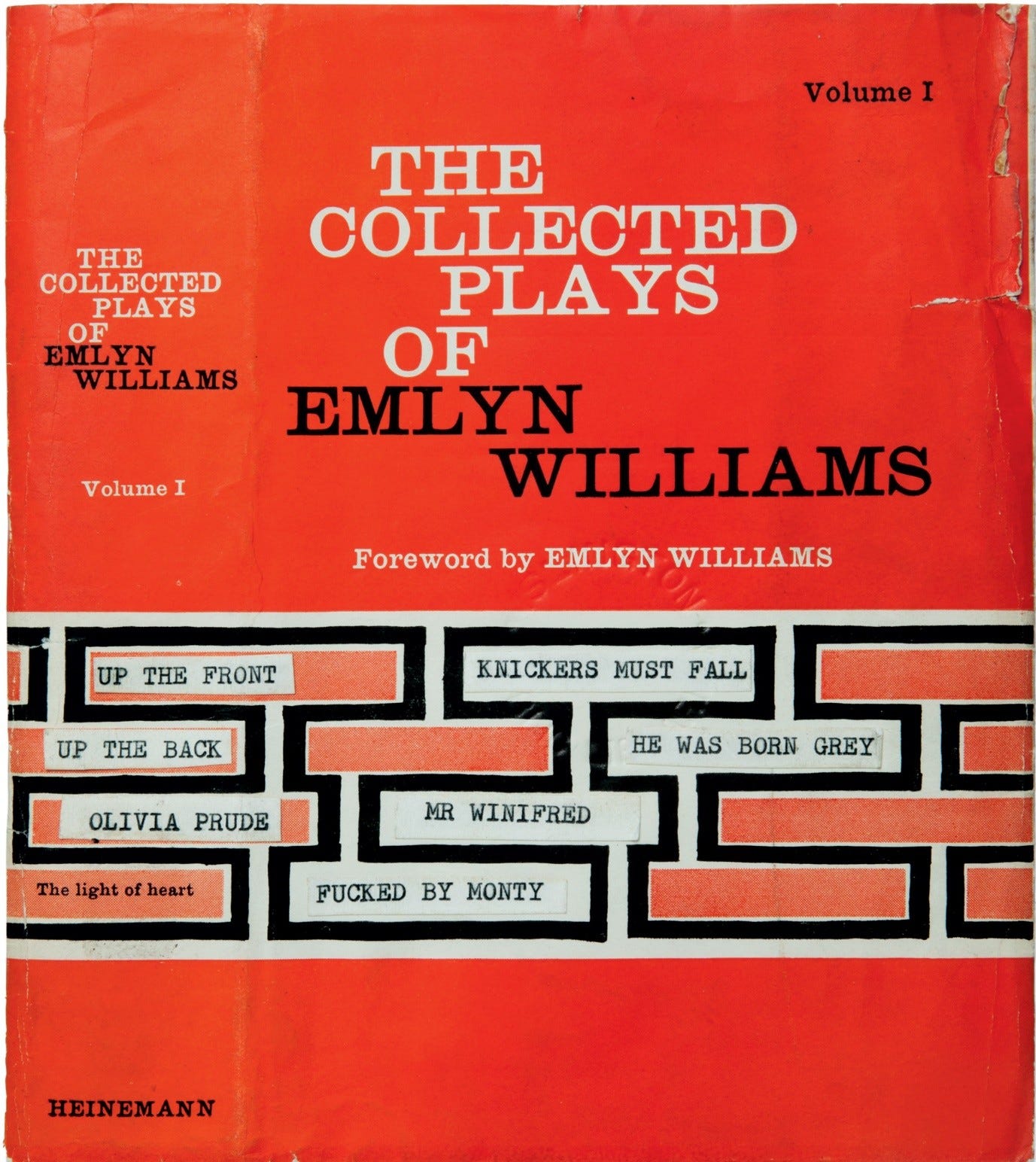
There were also book blurbs in magnificently poor taste on inside flaps, such as this riff on the contents of Dorothy L Sayers’ Lord Peter Wimsey mystery Clouds of Witness:
When little Betty Macdree says that she has been interfered with her mother at first laughs. It is only something the kiddy has picked up off the television. But when, on sorting through the laundrey, Mrs Macdree discovers that a new pair of young Betty’s knickers are missing she thinks again. On being questioned Betty bursts into tears. Mrs Macdree takes her to the police station and, to everyone’s surprise the little girl identifies P.C Brenda Coolidge as her attacker. Brenda, a new recruit, denies the charge. A search is made of the Women’s Police Barracks. What is found there is a seven inch phallus and a pair of knicker’s of the king used by Betty. All looks black for kindly P.C. Coolidge... What can she do? This is one of the most enthralling stories ever written by Miss Sayers. It is the only one in which the murder weapon is concealed, not for reasons of fear but for the sake of decency!
READ THIS BEHIND CLOSED DOORS! And have a good shit while you are reading!
This might have been forgivable, but cutting 1,653 art plates from books which they pasted on their walls was less so.
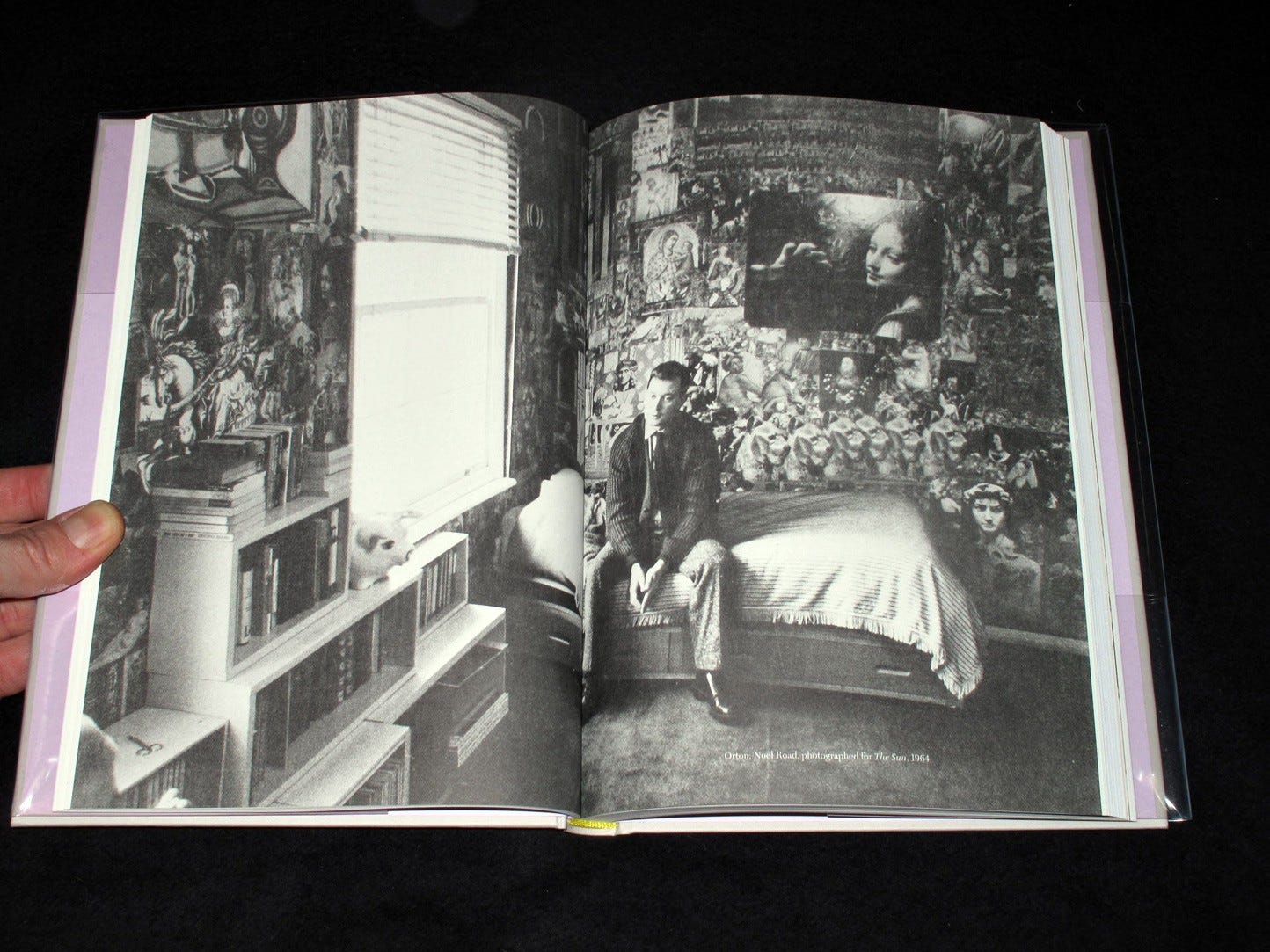
Some of the best detail on this story comes from a website run by the Orton estate which quotes Orton as saying:
I used to stand in the corners after I’d smuggled the doctored books back into the library and then watch people read them. It was very fun, very interesting.
This pleasure was not shared by the library staff, who
brought in undercover staff from other libraries to try to catch whomever was doing it.
They did not succeed, but Islington council law clerk Sidney Porrett was determined. Orton and Halliwell were suspected, so Porrett wrote to them accusing them of parking their car illegally – a charge he had entirely invented, but Halliwell took the bait. He typed a furious letter back telling the council how petty they were and pointing out that they didn’t have a car.
There is a certain irony in the fact that Orton, writer of spoof letters under the name Edna Welthorpe, should have been caught in such a trap. Typewriters, though, can be identified by the typeface they use, and any irregularities on the keys. The council had its evidence.
Six months in the slammer seems a lot for a first offence, and one which could be rectified – even if not easily (the books had been damaged, after all). Orton said:
the court had realised they were gay and that the severity of the sentence was ‘because we were queers’.
Halliwell suffered greatly in prison, and tried to take his own life, but Orton found the experience perversely liberating.
It affected my attitude towards society. Before I had been vaguely conscious of something rotten somewhere, prison crystallised this. The old whore society really lifted up her skirts and the stench was pretty foul.
His work became focused, and he sold his first radio play the next year, and had his first stage hit, Entertaining Mr Sloane, the year after that. He was, if not overnight, certainly precipitately, a star.
In one of the darker what-ifs of history, it’s possible that if Halliwell had succeeded in killing himself in prison, Orton’s career might have blazed for longer. In another irony, though – given the time the two men spent in prison – it is widely thought that Orton felt stifled sharing a 16ft by 12ft room with Halliwell, who was scared that Orton would leave him.
In 1967, Halliwell murdered Orton while he slept, and took an overdose himself. Orton was
riding high on the success of his latest play, Loot, and waiting for a chauffeur to ferry him to talks about a film he had written for The Beatles.
He was 34, and never had the chance to disappoint anyone by becoming safe and establishment. As it was, his final work was 1969’s deranged dark face What The Butler Saw – and it was only many years after its first production that audiences were able to see it as the playwright intended. The missing part of a Winston Churchill statue is held aloft at the finale. Only in later revivals has the cigar that originally appeared been replaced by the penis the playwright intended.
Joe Orton; never boring.