Odd this day

14 February every damn year
Well, happy 13th birthday to this immaculately timed headline:
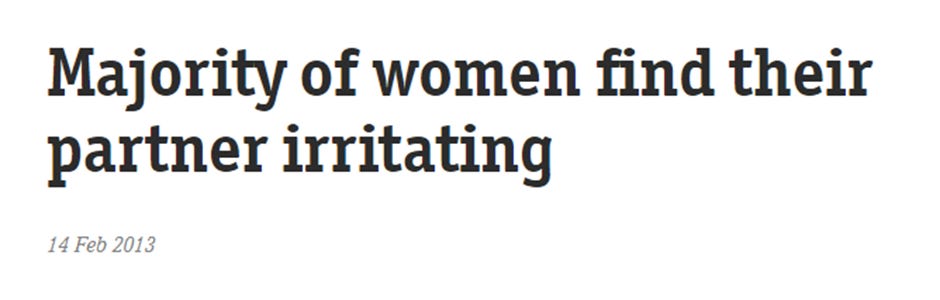
And, still on the subject of romance, it’s the 42nd anniversary of Elton John’s first marriage — the one, that is, which prompted his mate Rod Stewart to send a telegram which read:
You may still be standing, but we’re all on the fucking floor!
Incidentally, if you want some history of this ridiculous day, you won’t do much better than this, which concludes, inarguably I think, that “a festival that makes one part of the population feel lonely and another part feel pressured is bad”.
Nerd's Eye View: 11 things you need to know about Valentine's Day
Why do we do it? Well, it’s partly the fault of the Victorians (as so many things are) and partly that of America (ditto). But it also (according to Steve Roud’s The English Year) goes back to Geoffrey Chaucer and his poem Parlement of the Foules.
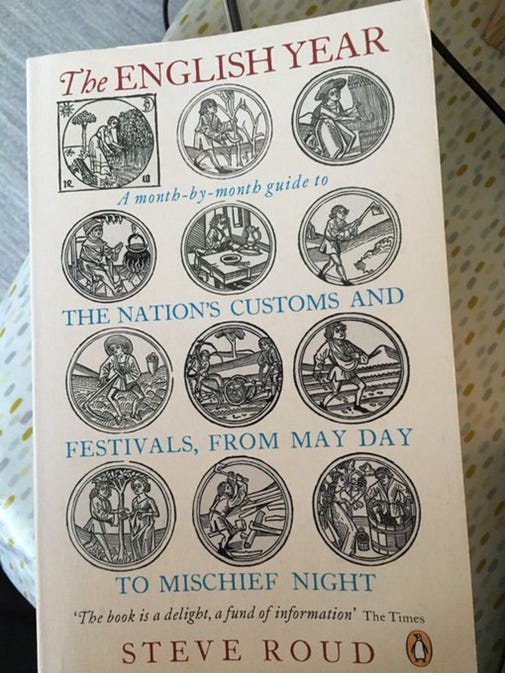
Old Geoff C, Roud says, was probably building on an existing tradition but he (and a couple of other writers at the time) popularised the idea that birds choose their mates on 14 February each year, and it stuck, becoming “a commonplace for poets and playwrights”.
Then, as Jonn Elledge says in that New World piece, “greeting card companies … were flogging sentimental bits of tat by the start of the 19th century”, and the growth of the postal service gave the whole thing a boost.
And it wasn’t just sentiment. People in that era were fucking weird.
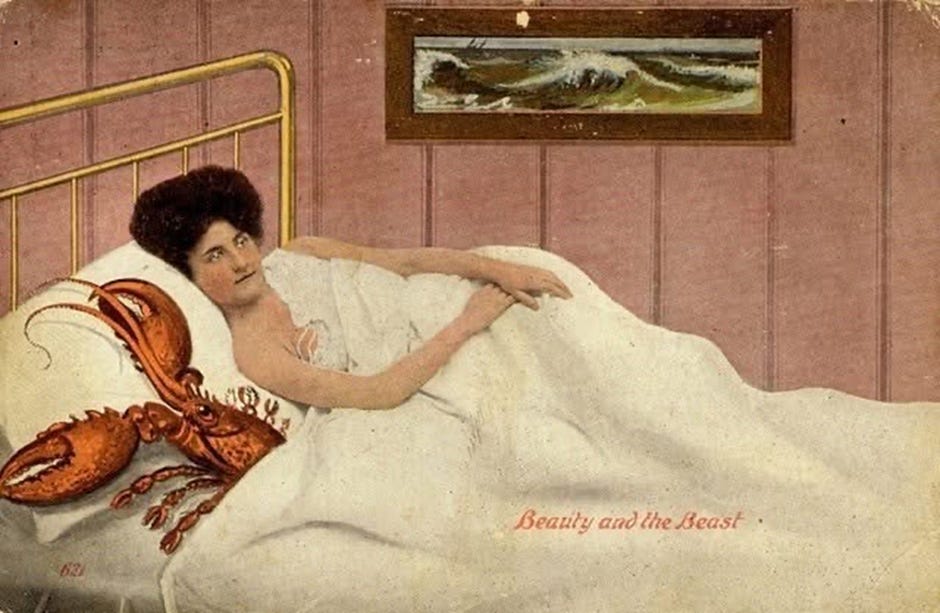
I haven’t been able to independently verify that image, but 1926’s Dictionary of American Slang says this, which — while difficult to decipher, or perhaps unclearly written — seems to mean that a ‘lobster’ is a sugar daddy.

Anyway, Roud says all this nearly died out with the Victorians, too. As William McGonagall and people who write to local newspapers prove, not everyone can write poems, so lovelorn people could buy
‘valentine writers’, small books of suggested rhymes, suitable for all occasions. However, the commercial cards sowed the seeds of their own downfall by providing an all-too-easy means of insulting someone with humorous or offensive parodies of traditional greetings, and despite the huge popularity of card-sending in mid Victorian times, the custom declined markedly as the twentieth century drew near.
On 17 February 1894, weekly paper The Graphic reported that “St. Valentine’s Day attracts very little attention nowadays in England, but across the Atlantic the Saint is still honoured”, and a couple of years later the Ludgate Illustrated News called the day “almost wholly neglected”.
Many commentators blamed the widespread use of the offensive anti-valentines, although these had already been available for some decades. But the custom did not die, and it struggled on into the twentieth century, albeit a mere shadow of its former self.
Yes, we were close, as a nation, to ditching the whole sorry business, but then… “After the Second World War, it underwent a major revival, under heavy influence from the USA and the watchful eye of the commercial card manufacturers.”
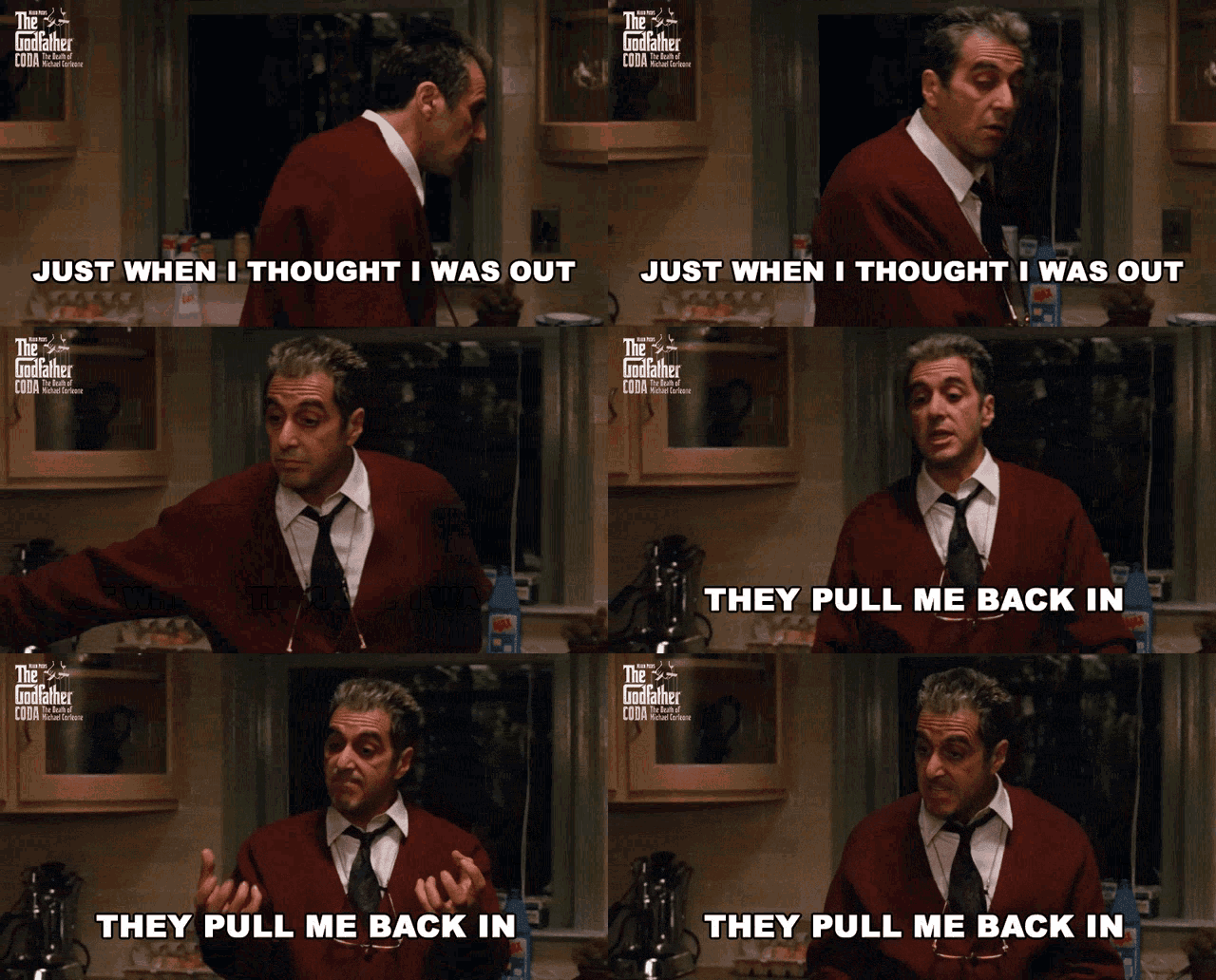
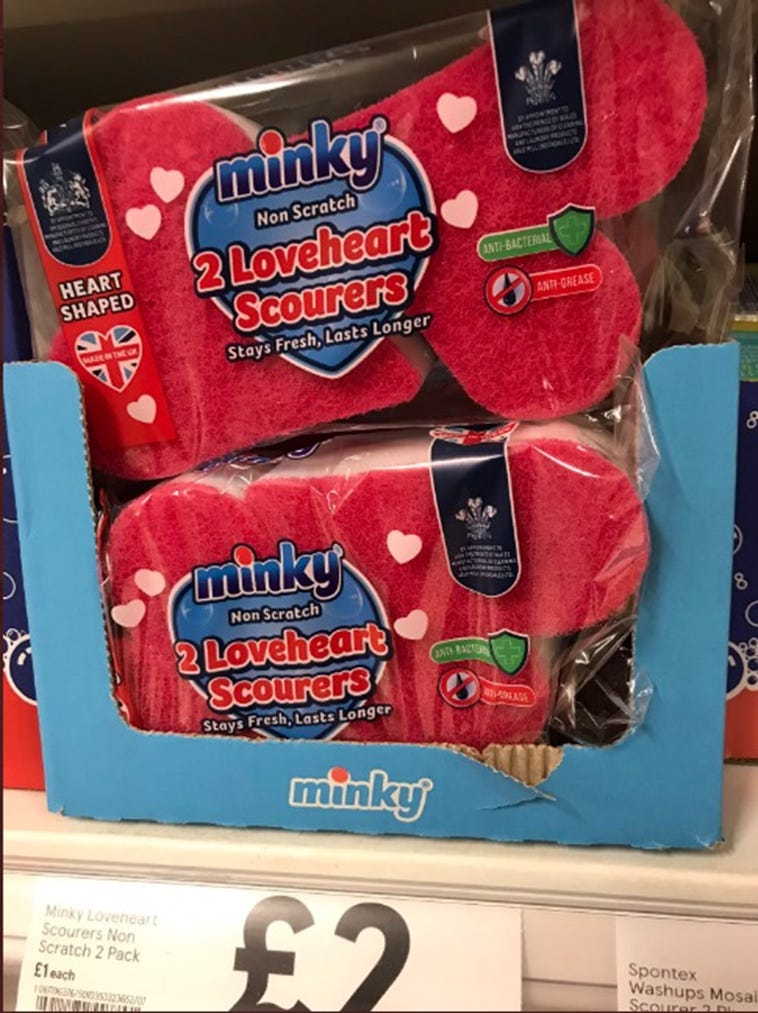
As Roud observes, “There is certainly no stopping it now…”, but may not have known how right he was when he wrote in 2006, that people could purchase “chocolates, roses … sexy underwear, and any and everything that can be represented in the shape of a heart or coloured red”.
Mind you, it was also inaccurate at the time to say “One of the developments c.1980, which seems destined to become permanent, is the newspaper-column messages on the day”, because we didn’t know then what was going to happen to print media by now. Ah, well.
In a slight change of tone, it’s also 35 years since Silence of the Lambs.
…and it’s the 222nd anniversary of the Battle of Pulo Aura, but I’m not going to attempt a better telling of that than this one:
<a href="https://medium.com/media/7f7f57ab74321a74a0eb5f0ade6bf3b3/href">https://medium.com/media/7f7f57ab74321a74a0eb5f0ade6bf3b3/href</a>
But perhaps we should return to romance, because I’m not entirely cynical, and it’s the 6th anniversary of Janelle Shane and her announcement that she’d trained a neural network to generate alternative slogans for Love Hearts (or candy hearts if you’re in the US).
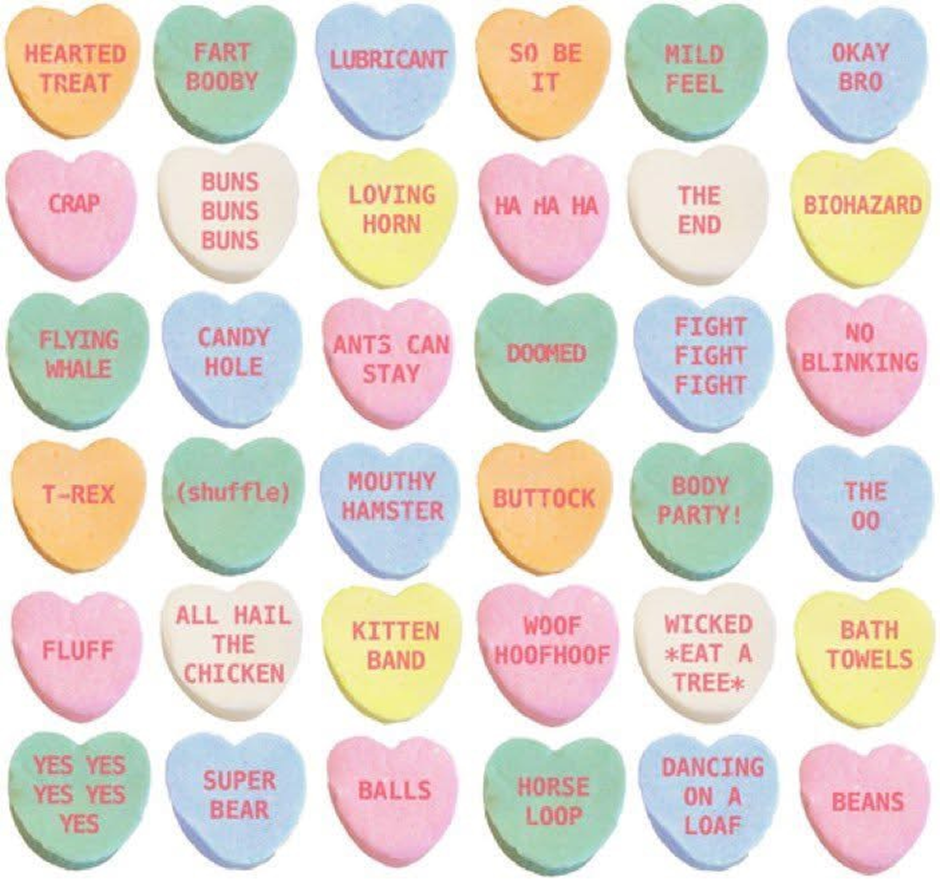
Yes, AI is slop, but (a) this example is funny, and (b) Shane has written a book about “how AI understands our world, and what it gets wrong. More than just a working knowledge of AI, she hands readers the tools to be skeptical about claims of a smarter future”.